


Introduction
Pitch deck slides for startups are one of the most powerful tools founders use to present their ideas to investors, partners, and stakeholders. Whether you are launching a new business or scaling an existing one, a well-structured pitch deck can make a huge difference. It helps you tell your story, explain your business model, and show why your startup is worth investing in.
Many beginners struggle to understand what to include and how to design their slides. As a result, they either overload their slides with information or miss key details that investors want to see. That is why learning how to create effective pitch deck slides for startups is essential for success.
In this guide, you will learn everything from the basics to advanced tips. We will break down each slide step by step, explain why it matters, and share examples to make things clear. The goal is to help you create a pitch deck that is simple, clear, and convincing.
By the end of this article, you will have a complete understanding of how to build pitch deck slides for startups that grab attention and leave a lasting impression.
What is Pitch Deck Slides for Startups?
Pitch deck slides for startups are a set of presentation slides used by entrepreneurs to showcase their business idea. These slides are usually presented to investors during meetings, demo days, or funding rounds.
A typical pitch deck includes important details about your startup, such as the problem you are solving, your solution, target market, business model, and financial projections. It is not just about sharing information but about telling a compelling story.
Think of a pitch deck as a visual summary of your business plan. Instead of long documents, investors prefer short and clear presentations that highlight key points quickly. That is why pitch deck slides for startups focus on clarity and impact.
These slides are usually created using tools like PowerPoint or Google Slides. However, the tool is less important than the content and structure. A strong pitch deck clearly communicates your vision and shows why your startup has potential.
Why is Pitch Deck Slides for Startups Important?
Pitch deck slides for startups play a crucial role in securing funding and building trust. Without a strong pitch deck, even a great idea can fail to impress investors.
First, it helps you communicate your idea clearly. Investors often review many startups, so they do not have time for long explanations. A good pitch deck quickly shows what your business is about.
Second, it builds credibility. When your slides are well-organized and professional, it shows that you understand your business and market. This increases investor confidence.
Third, pitch deck slides for startups help you stay focused. When you prepare your slides, you are forced to think about your strategy, goals, and numbers. This clarity is useful not just for investors but also for your own planning.
Finally, a great pitch deck increases your chances of getting funding. Investors are more likely to invest in startups that present their ideas clearly and confidently.
Detailed Step-by-Step Guide
Step 1: Start with a Strong Title Slide
Your title slide is the first impression. It should include your startup name, logo, and a short tagline.
Keep it simple and clean. Avoid too much text. The goal is to grab attention immediately.
Step 2: Define the Problem
Explain the problem your startup is solving.
Use real-life examples to make it relatable.
Keep the explanation short but powerful.
Step 3: Present Your Solution
Now show how your product or service solves the problem.
Focus on benefits, not just features.
Make it easy to understand for non-technical audiences.
Step 4: Describe Your Product
Give a brief overview of your product.
You can include screenshots or visuals.
Explain how it works in simple terms.
Step 5: Identify Your Target Market
Show who your customers are.
Include market size and growth potential.
Use data to support your claims.
Step 6: Explain Your Business Model
Describe how your startup makes money.
Include pricing strategy and revenue streams.
Keep it clear and realistic.
Step 7: Show Traction
If you have progress, highlight it.
This can include users, sales, or partnerships.
Traction builds trust with investors.
Step 8: Analyze Competition
Show your competitors and how you are different.
Use simple comparison charts.
Highlight your unique advantage.
Step 9: Introduce Your Team
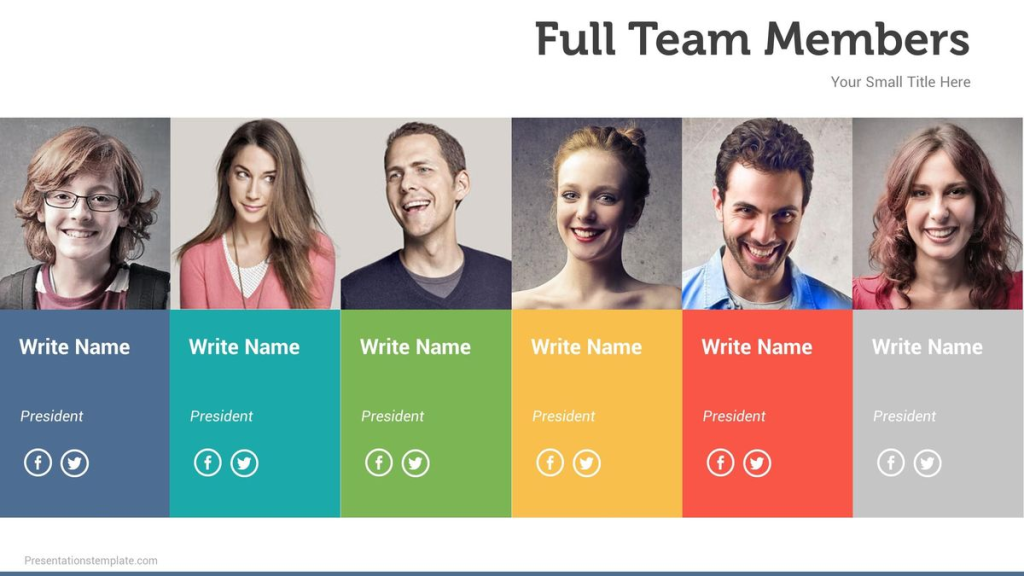
Present key team members and their experience.
Investors invest in people as much as ideas.
Step 10: Financial Projections
Include revenue forecasts and key metrics.
Keep numbers realistic and easy to read.
Step 11: Funding Ask
Clearly state how much funding you need.
Explain how you will use the money.
Step 12: Closing Slide
End with a strong message.
Include contact details and thank the audience.
Benefits of Pitch Deck Slides for Startups
- Helps communicate ideas clearly
- Saves time for investors
- Builds credibility and trust
- Increases chances of funding
- Keeps your business strategy focused
- Makes presentations more engaging
- Helps in networking and partnerships
Disadvantages / Risks
- Poor design can harm your image
- Too much information can confuse investors
- Lack of clarity reduces impact
- Unrealistic projections can damage trust
- Overconfidence in slides without strong business basics
Common Mistakes to Avoid
One common mistake is adding too much text. Slides should support your speech, not replace it. Keep content short and clear.
Another mistake is ignoring design. Even great content can look weak if the design is messy. Use consistent fonts and colors.
Many founders also fail to focus on the problem. If the problem is not clear, the solution will not make sense.
Some startups use unrealistic numbers. This can make investors doubt your credibility. Always use realistic data.
Finally, avoid being too technical. Your audience may not have a technical background, so keep explanations simple.
FAQs
1. How many slides should a pitch deck have?
A typical pitch deck has around 10 to 15 slides. This keeps it short and focused while covering all key points.
2. How long should a pitch deck presentation be?
Most presentations last between 10 to 15 minutes. You should be able to explain each slide clearly within this time.
3. What is the most important slide?
The problem and solution slides are the most important. They show why your startup exists and how it adds value.
4. Can I use templates for pitch deck slides for startups?
Yes, templates can help you save time. However, customize them to match your brand and message.
5. Should I include financial details?
Yes, financial projections are important. They show the potential growth of your startup.
6. How can I make my pitch deck stand out?
Focus on clarity, storytelling, and design. Use real examples and keep your message simple and strong.
Expert Tips & Bonus Points
Keep your pitch deck simple and focused. Do not try to include everything in one presentation. Instead, highlight the most important points.
Use visuals wherever possible. Charts, icons, and images make your slides more engaging and easier to understand.
Practice your presentation multiple times. Even the best pitch deck slides for startups will not work if the delivery is weak.
Always be ready to answer questions. Investors may ask about your market, competition, or finances.
Update your pitch deck regularly. As your startup grows, your slides should reflect your latest progress.
Focus on storytelling. A good story makes your presentation memorable and impactful.
Conclusion
Pitch deck slides for startups are more than just presentation slides. They are a powerful tool that can shape the future of your business. A well-crafted pitch deck helps you communicate your idea clearly, build trust with investors, and increase your chances of securing funding.
Creating an effective pitch deck may seem challenging at first, but with the right approach, it becomes much easier. By following a clear structure, focusing on key points, and avoiding common mistakes, you can create a strong and professional presentation.
Remember, simplicity is the key. Keep your slides clean, your message clear, and your story engaging. Investors are not just looking for great ideas; they are looking for founders who can present those ideas confidently.
As you continue your journey, keep improving your pitch deck. Learn from feedback, update your slides, and refine your message. With practice and effort, you will be able to create pitch deck slides for startups that truly stand out and make a lasting impression.
